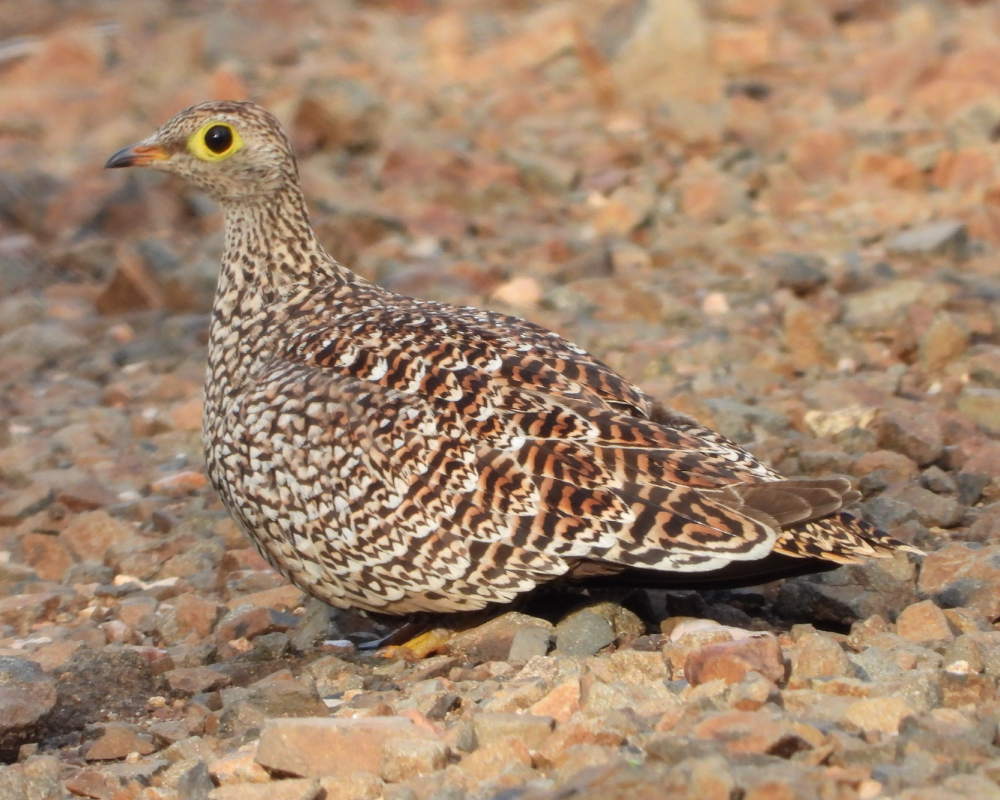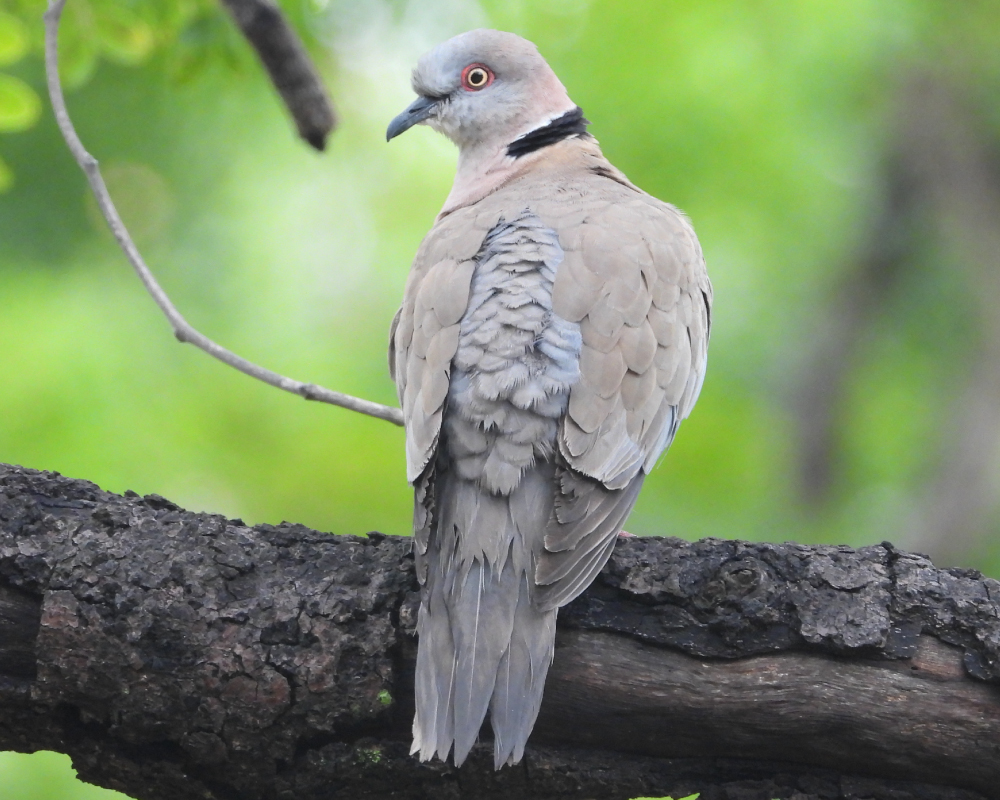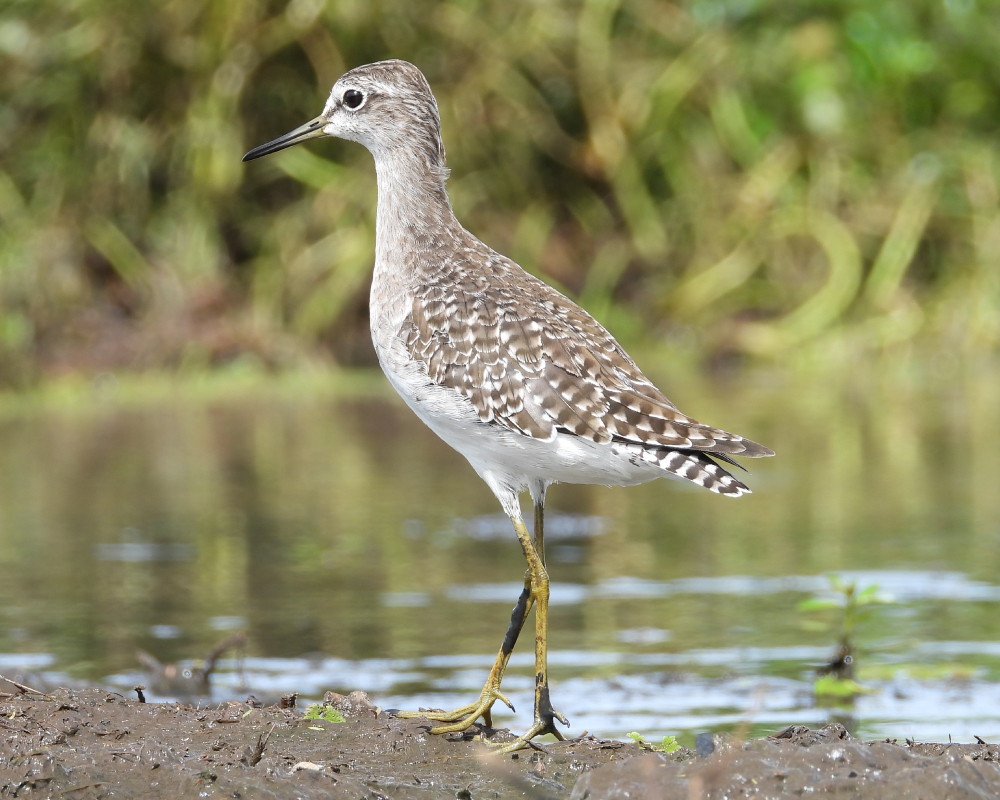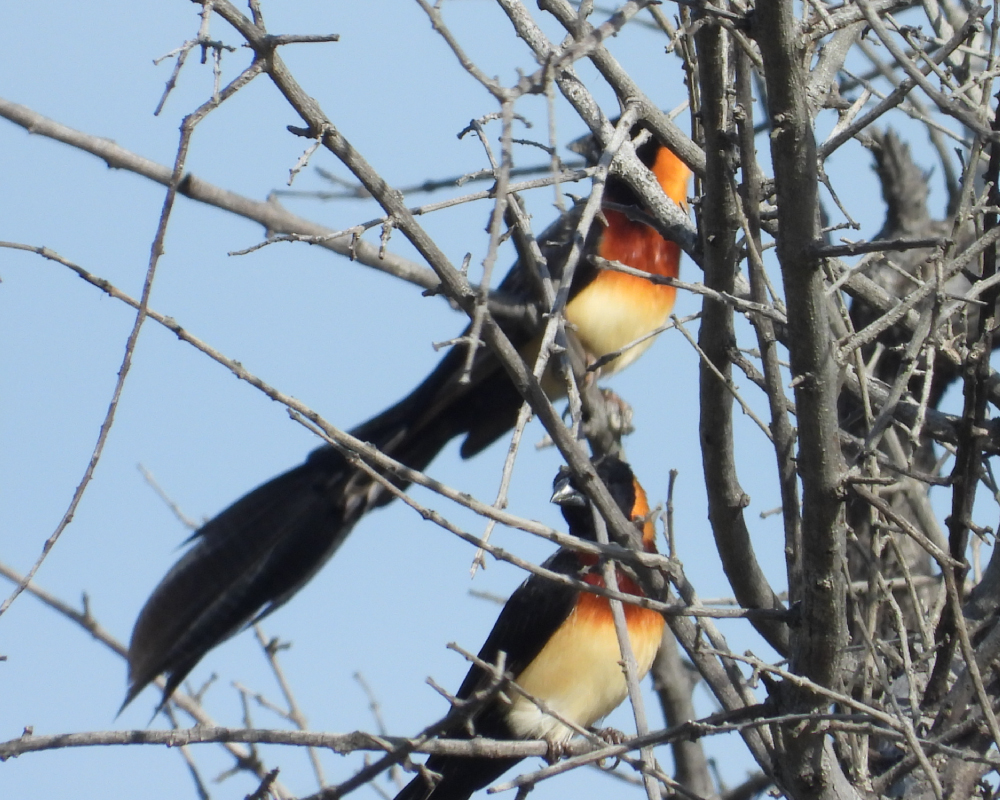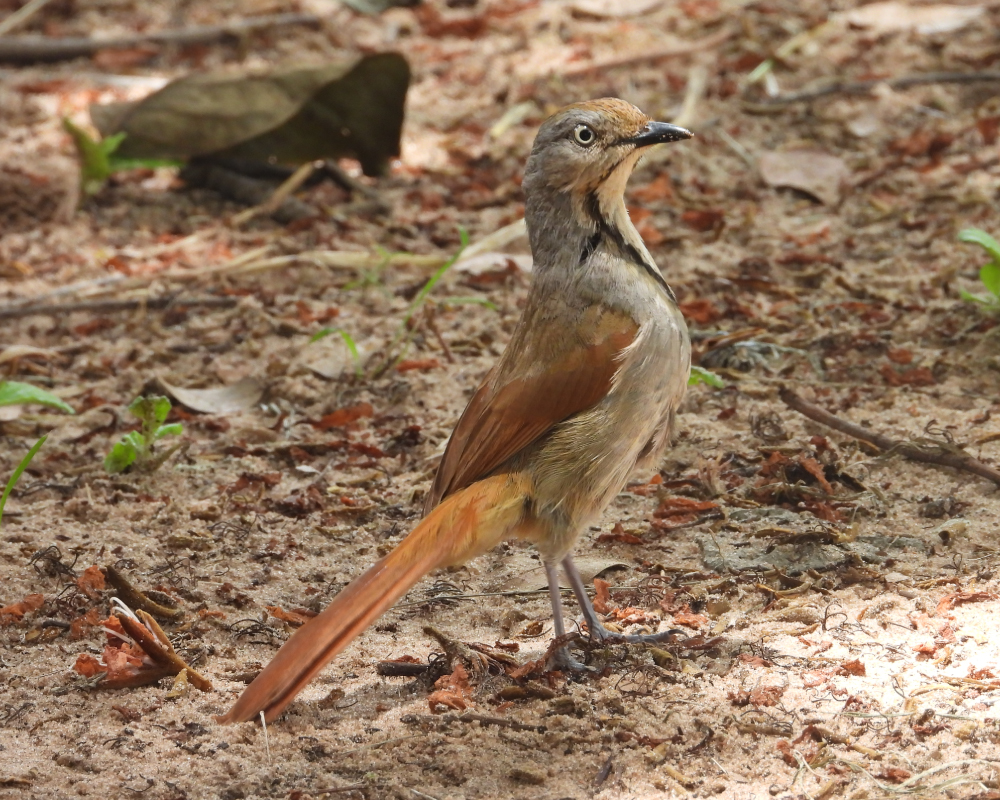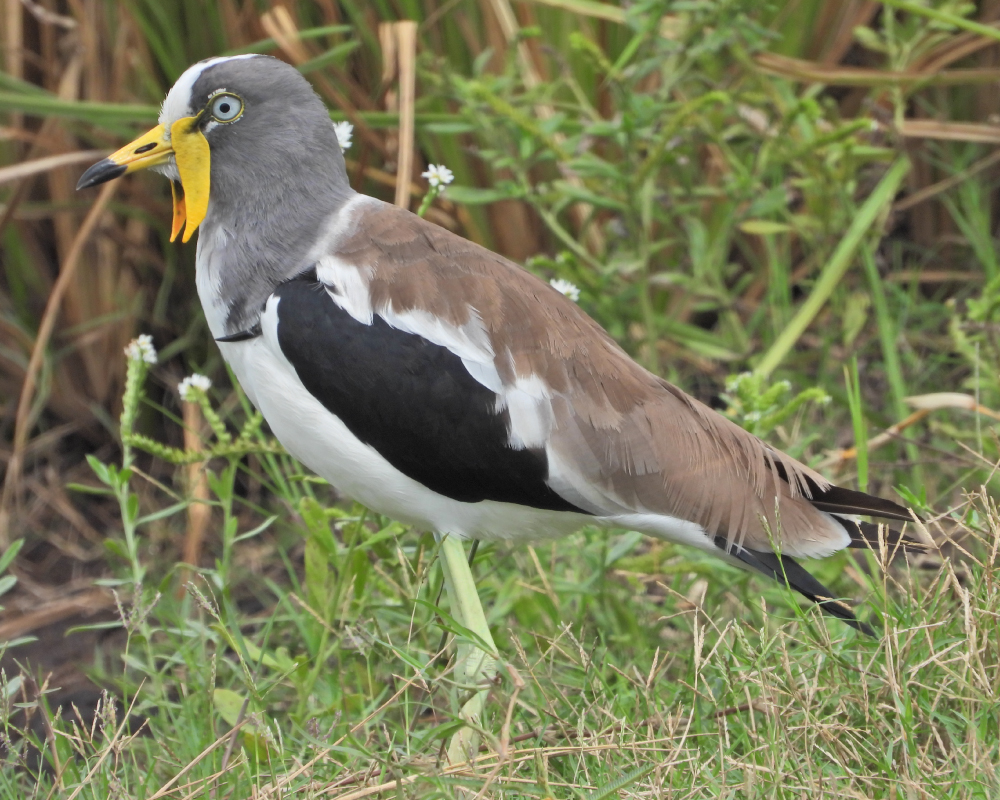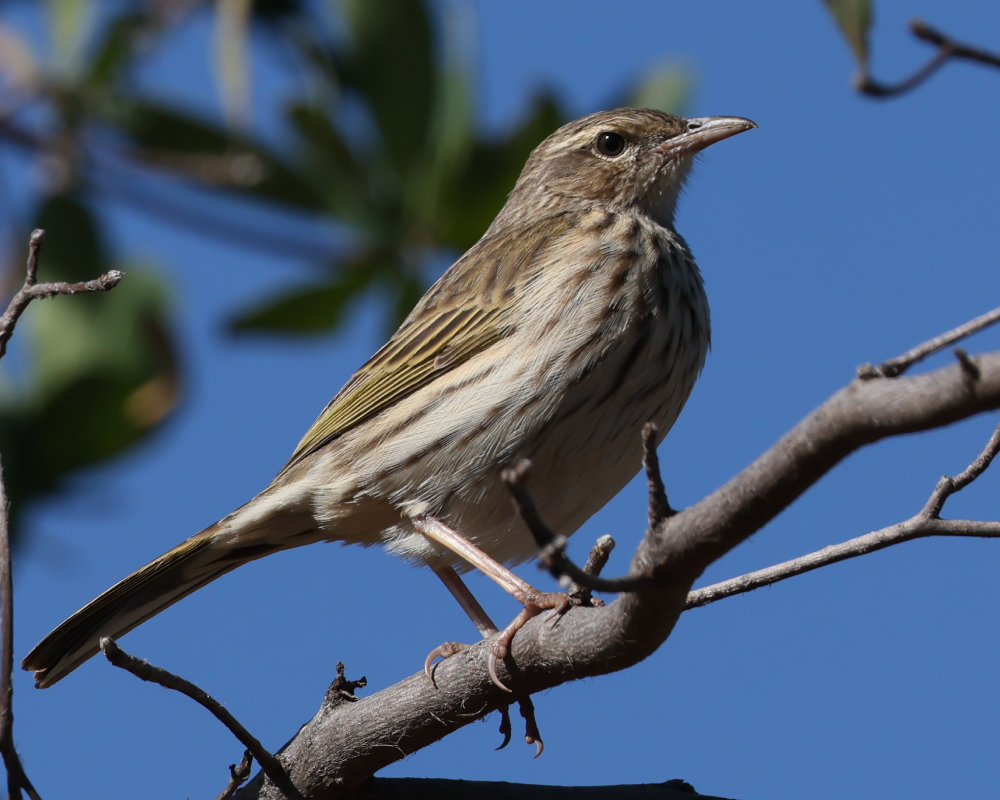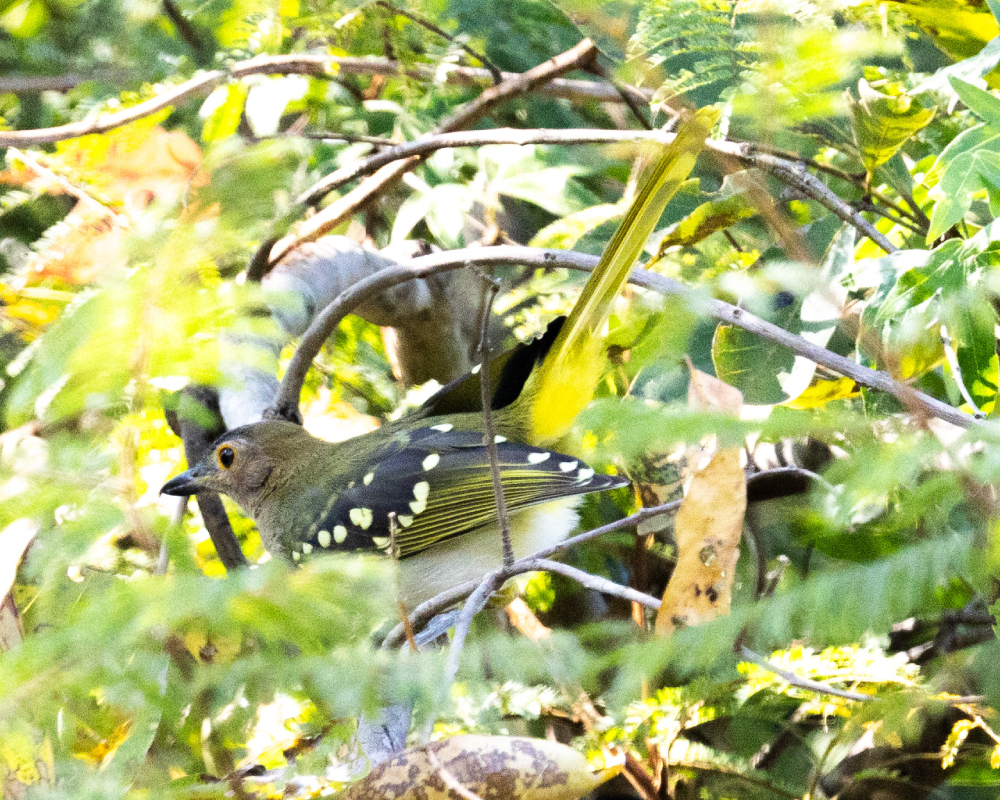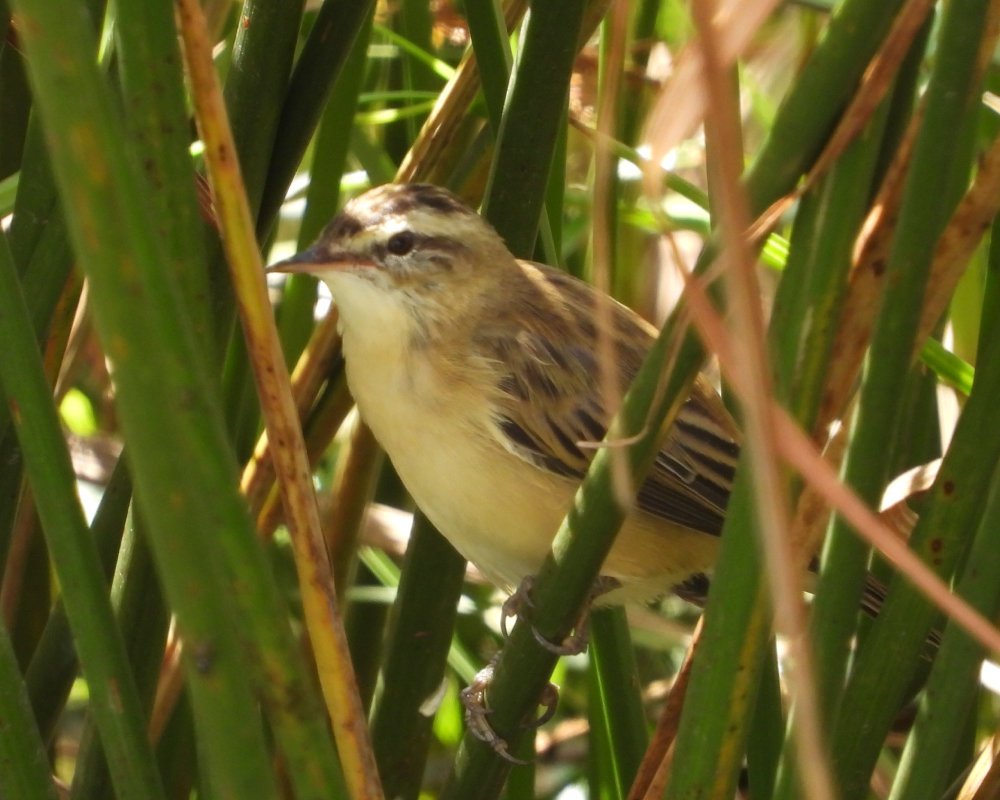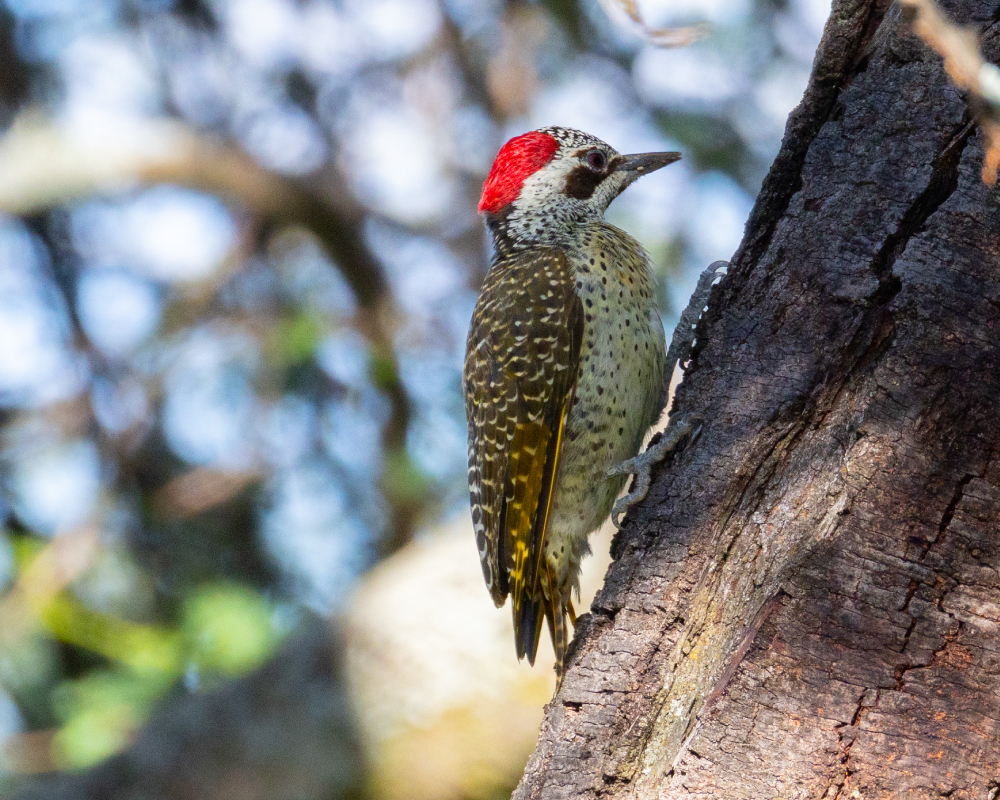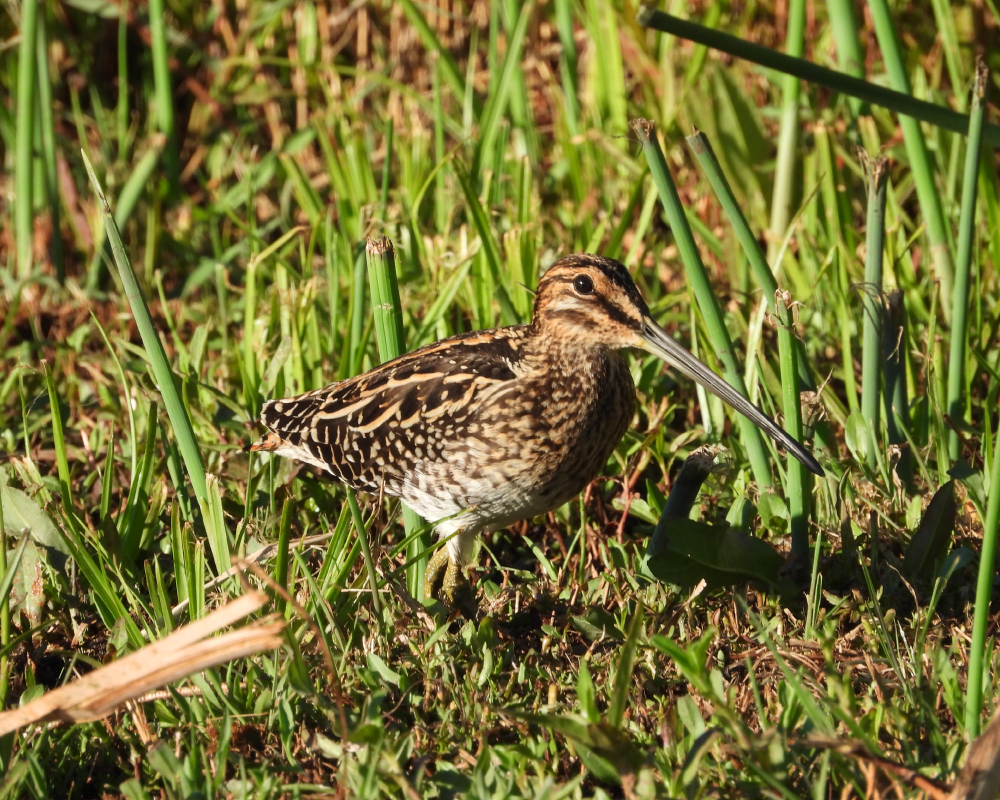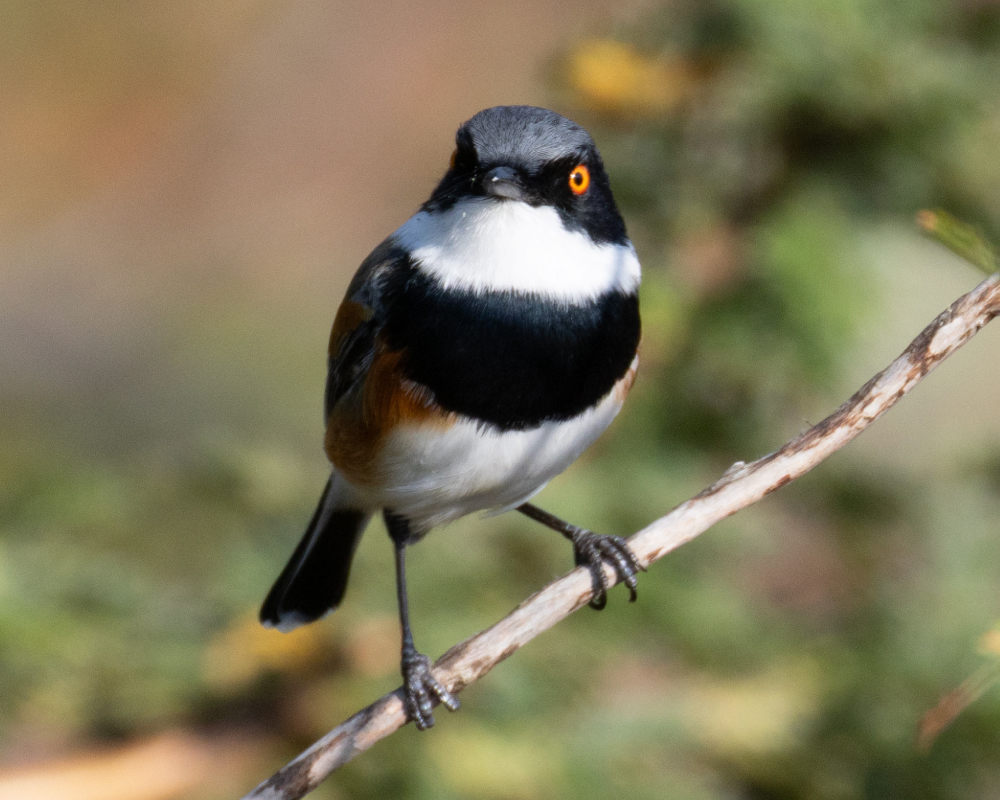
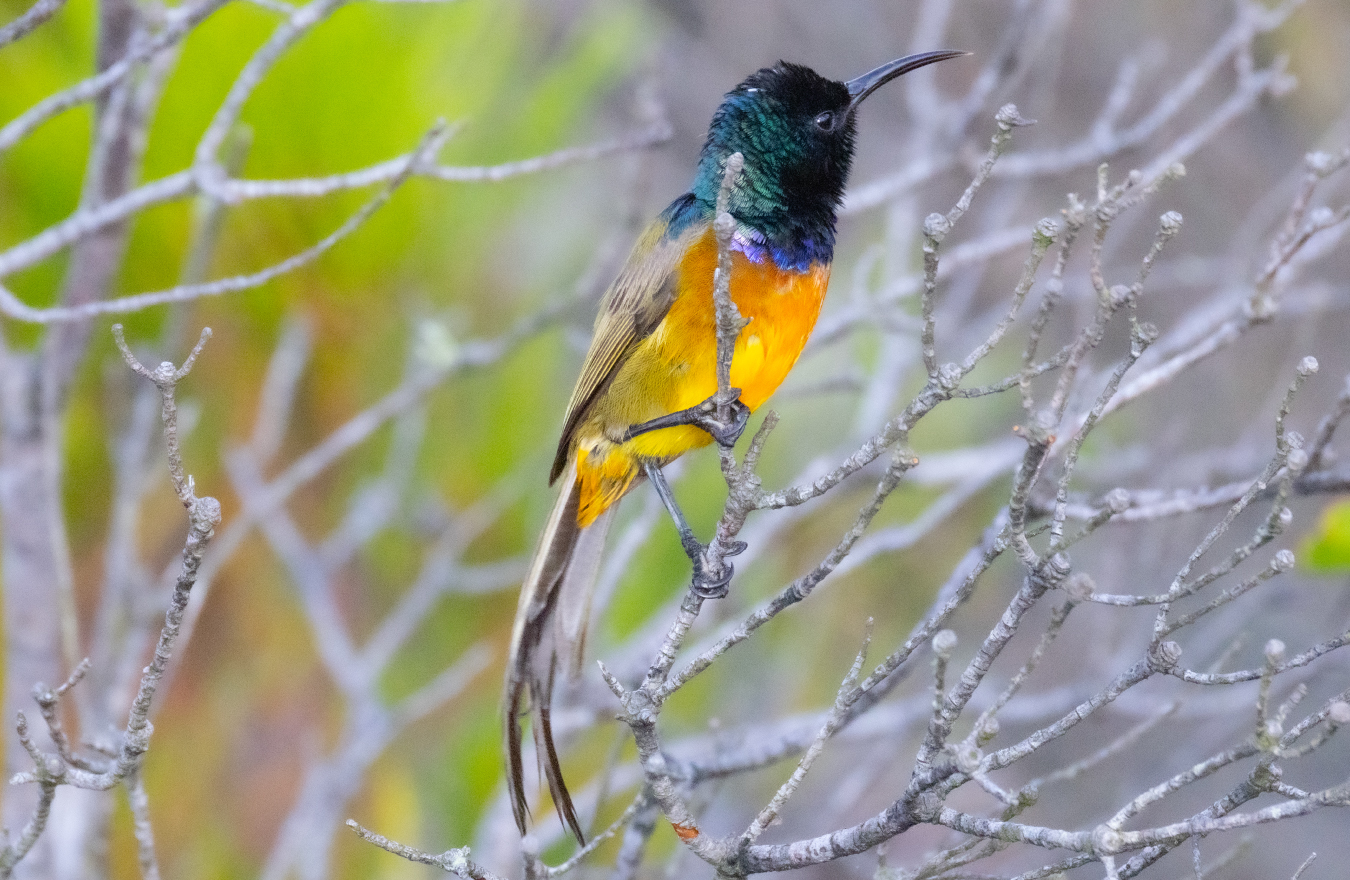
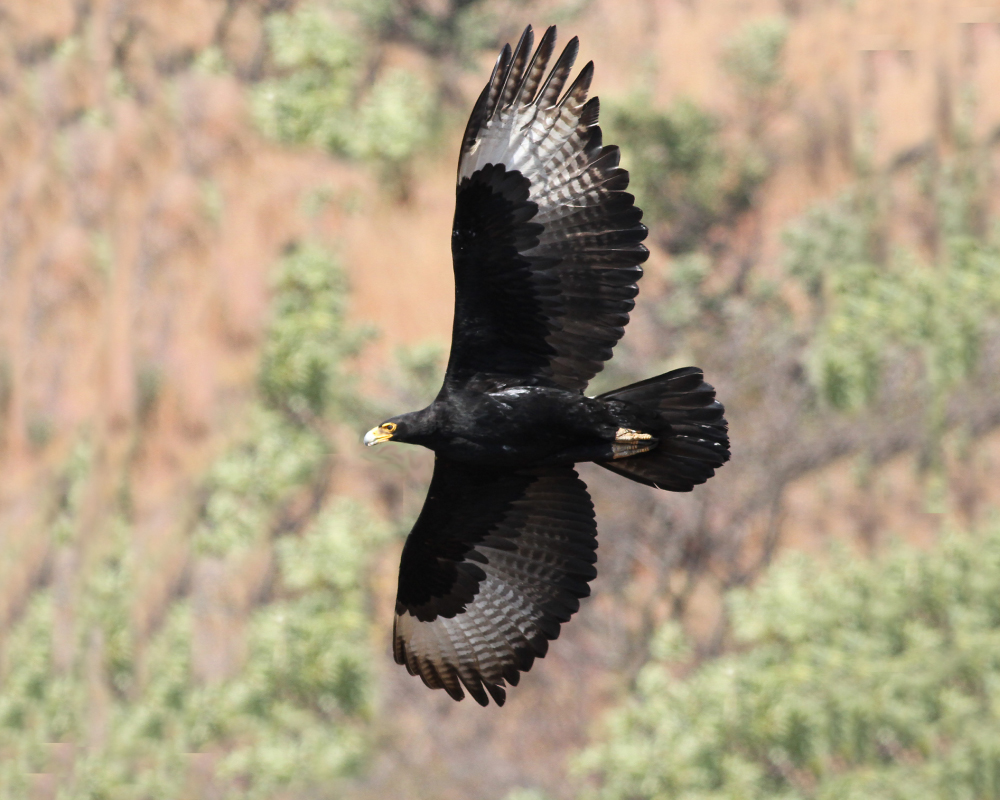
The Walter Sisulu National Botanical Garden has beautiful serene natural areas for great birding, indigenous plants and wildlife experiences.
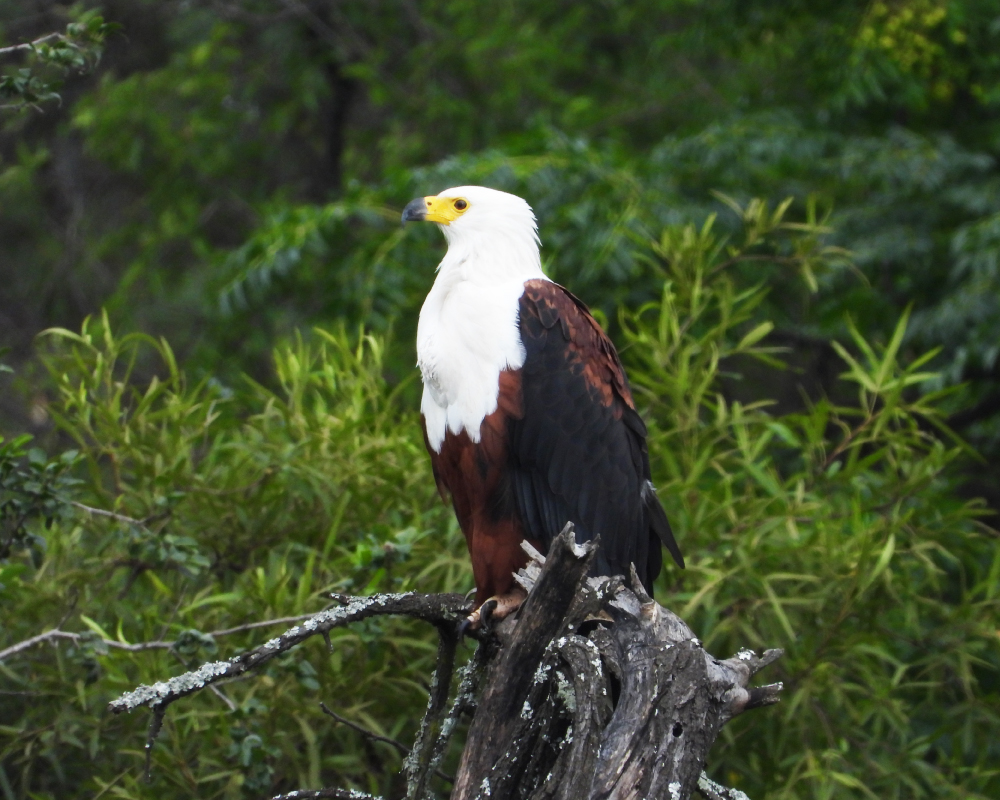
The reserve is particularly good for raptors and warblers in summer.
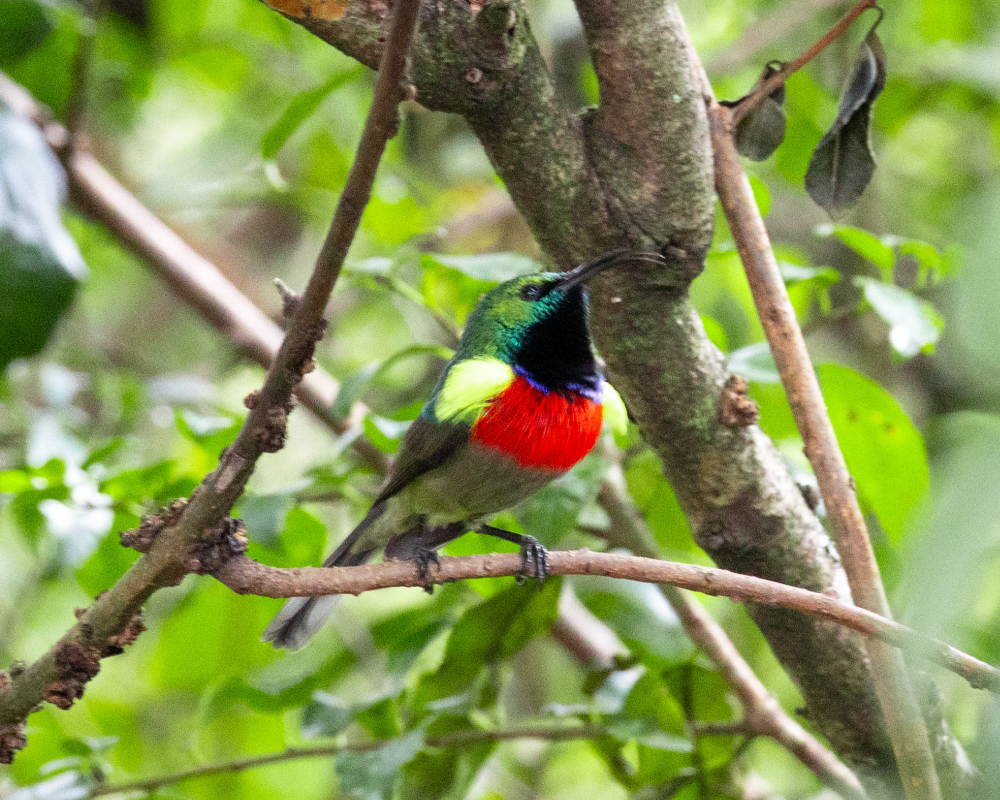
Northcliff is a great birding spot, while Albert’s Farm Conservancy provides a nature-rich green belt with wetlands as well.
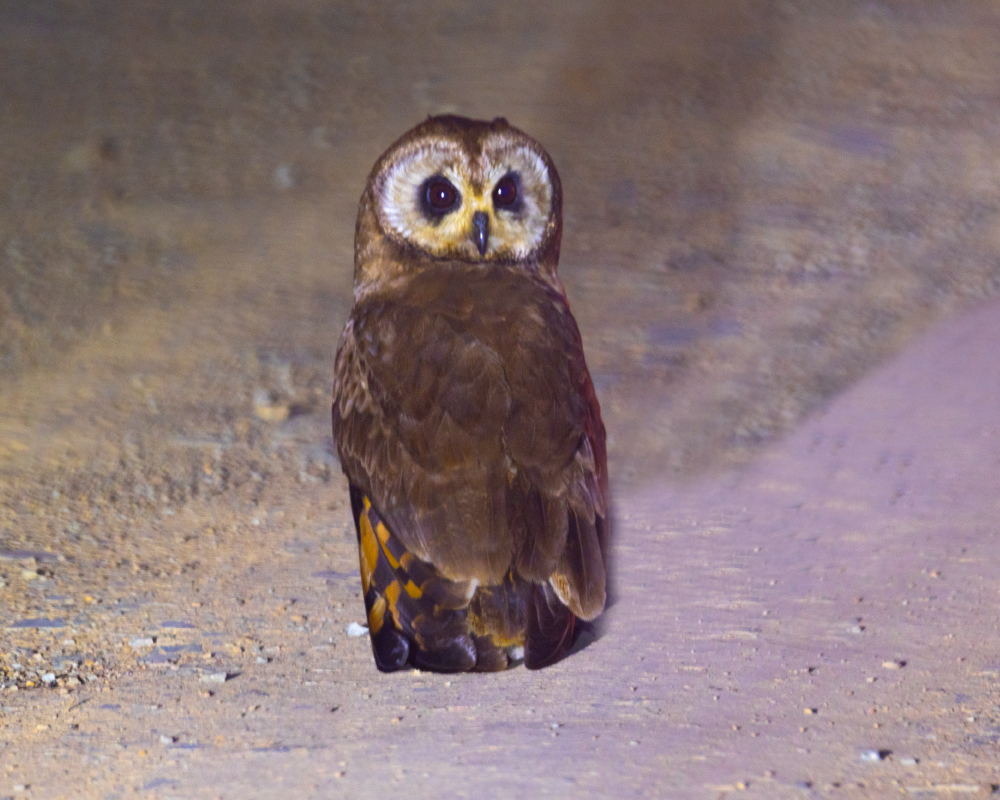
Elandsvlei Wetland is an excellent highveld birding hotspot - highly valued for its mix of open pans, marshy valleys, and pristine grasslands, often yielding over 100 bird species in a single visit.
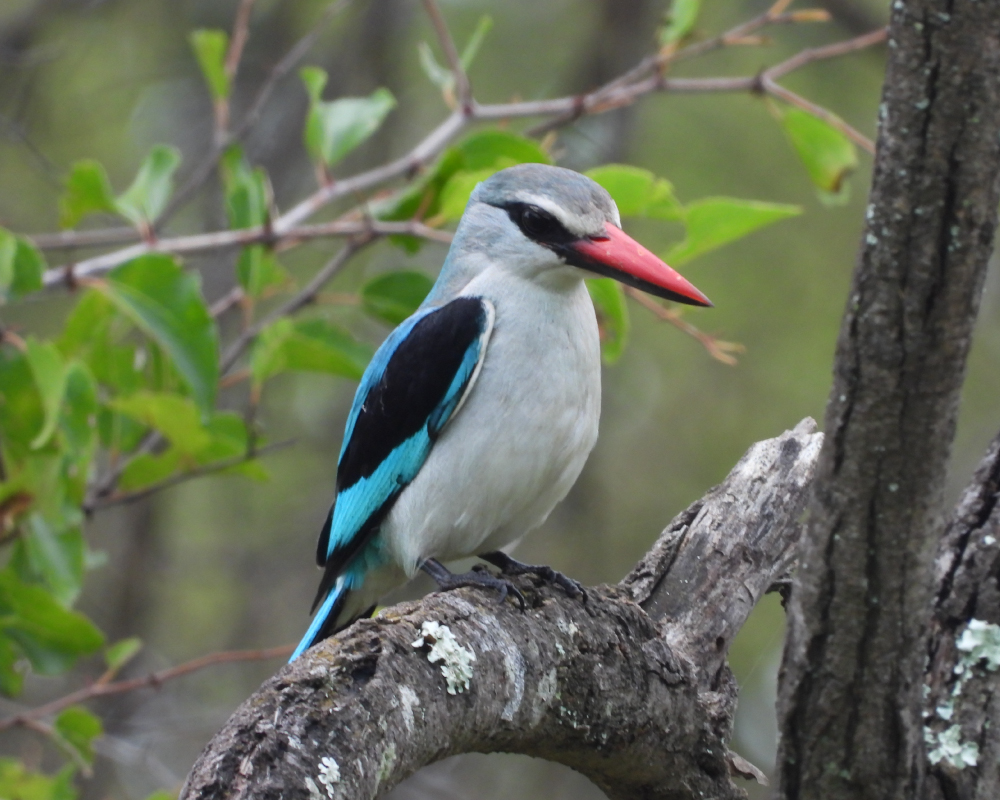
One of the best hotspots in northern Gauteng with habitat like woodland, acacia thornveld, and open water habitats for extraordinary birding.
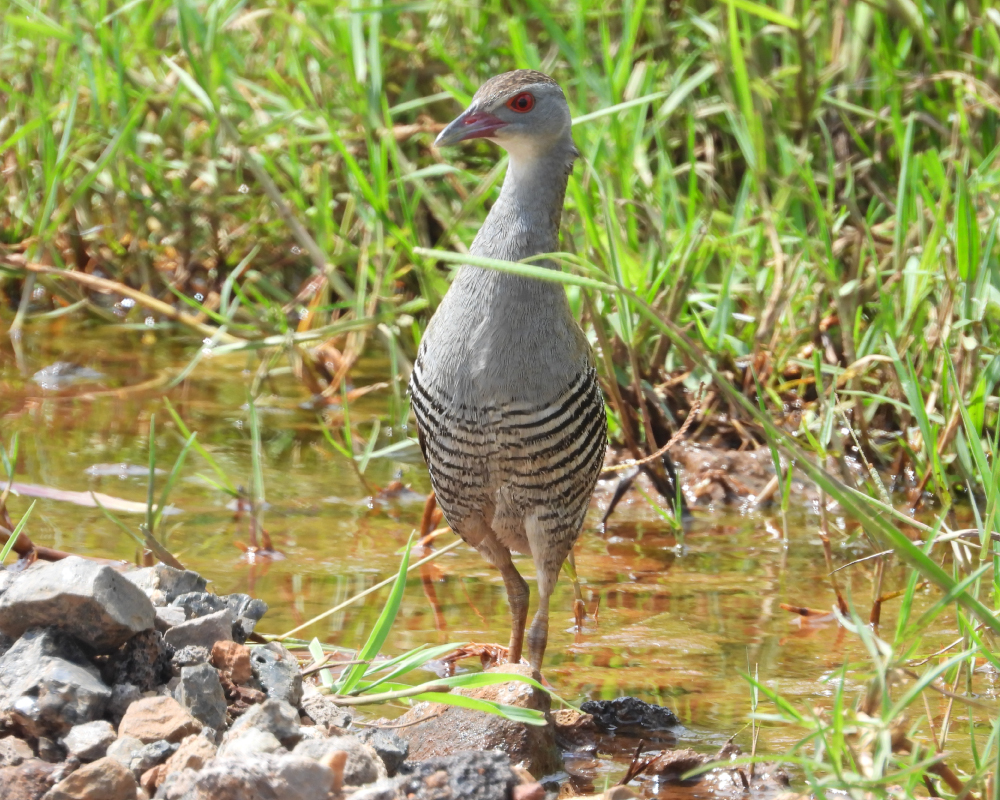
Rietvlei Nature Reserve is has a variety of birding habitats. This is mainly a grassland reserve set around a dam. A couple of small koppies add additional wooded areas, resulting a a great birding destination.
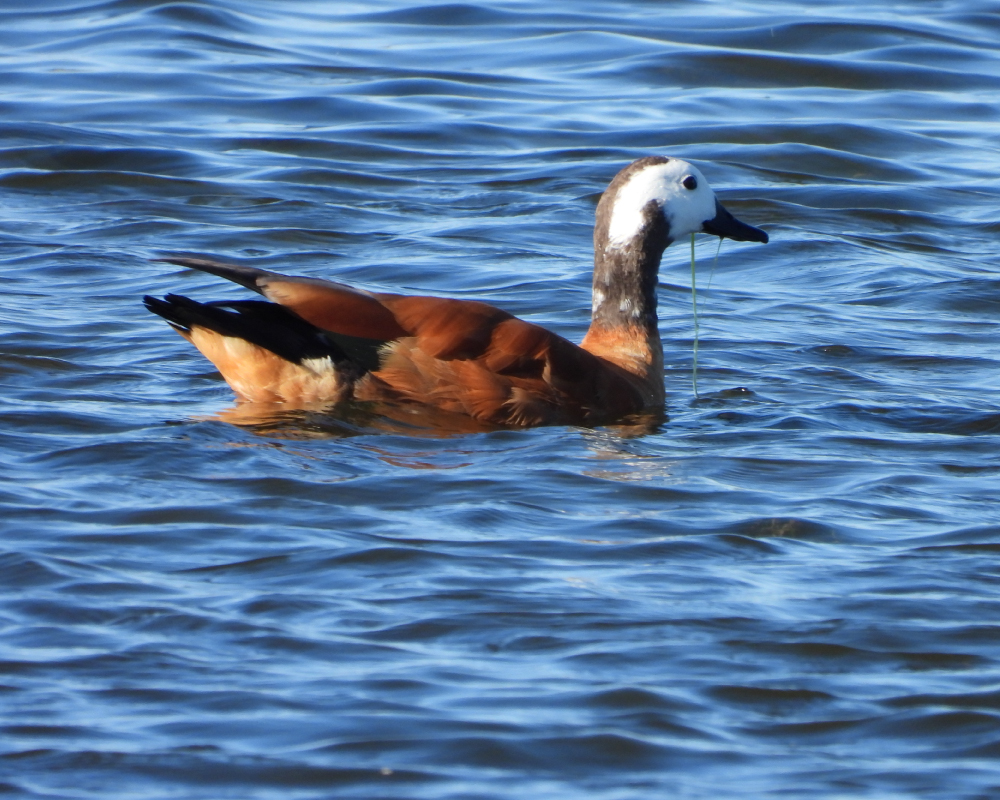
Located just 30 minutes apart near Heidelberg and Nigel, they offer an incredible contrast of ecosystems—ranging from high-altitude grasslands and rocky ridges to massive freshwater wetlands.
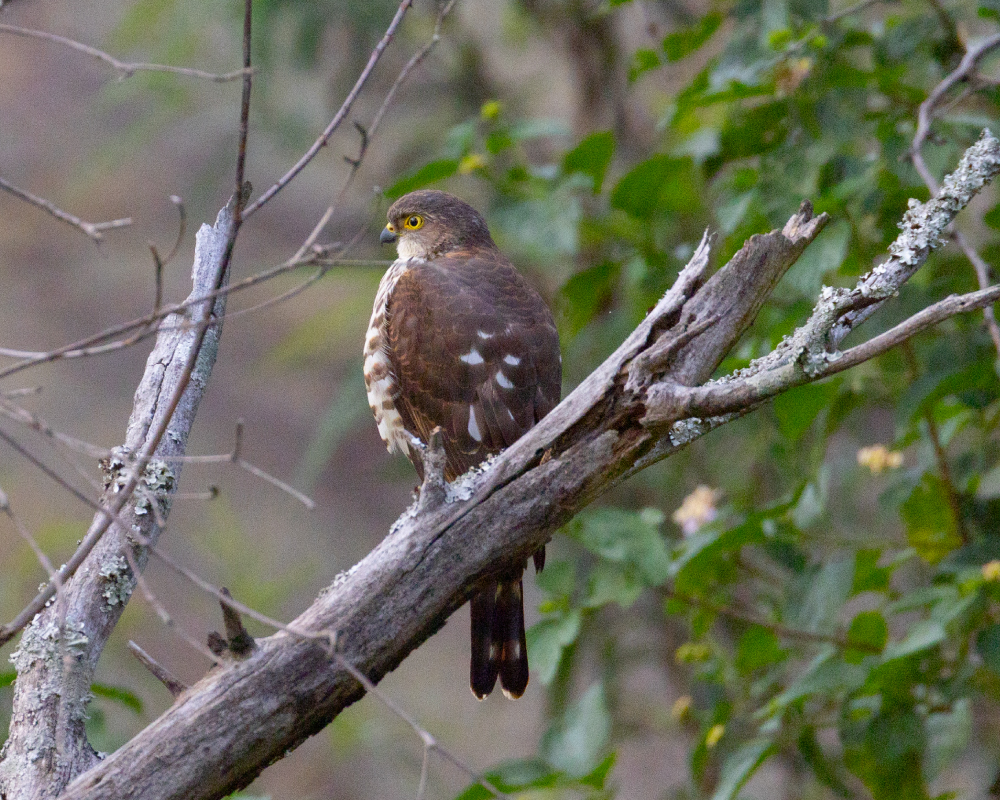
Dinokeng Game Reserve is a premier birding destination just north of Pretoria. Home to over 380 recorded species, with easily 40 species iat Kwalata Game Lodge. The diverse habitats ranging from acacia and broadleaved woodlands to riverine bush and wetlands.
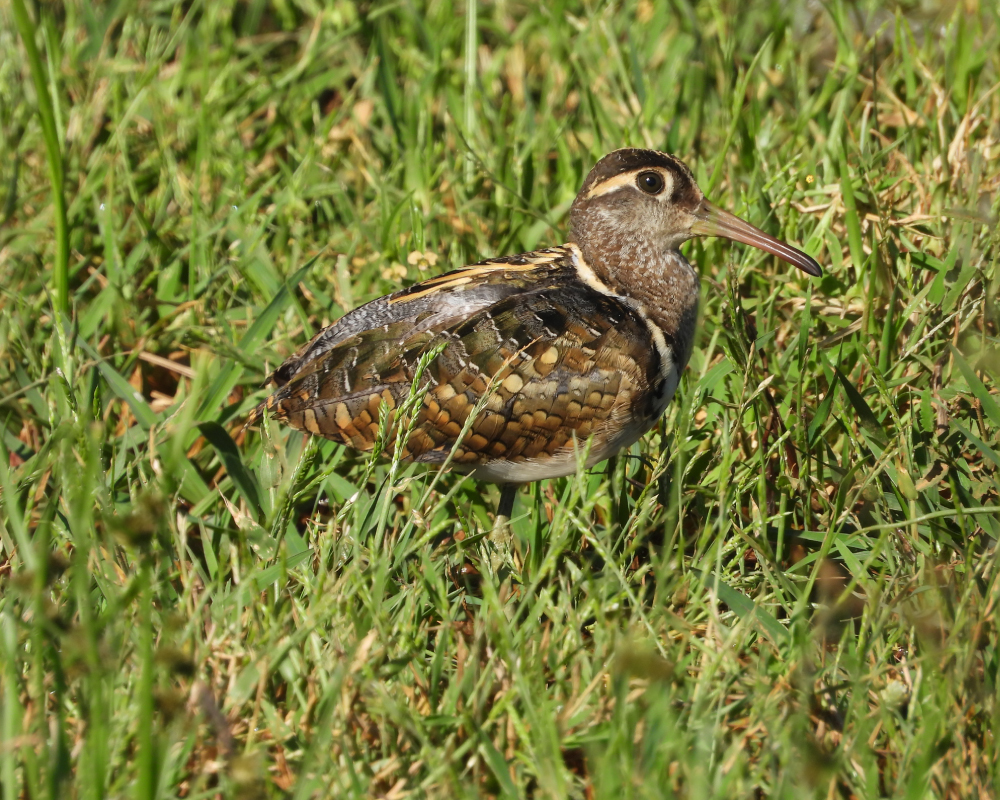
Located between Pretoria and Bela-Bela, the Zaagkuilsdrift Road and Kgomo-Kgomo floodplain offer premier bushveld and wetland birding. Home to over 430 species.
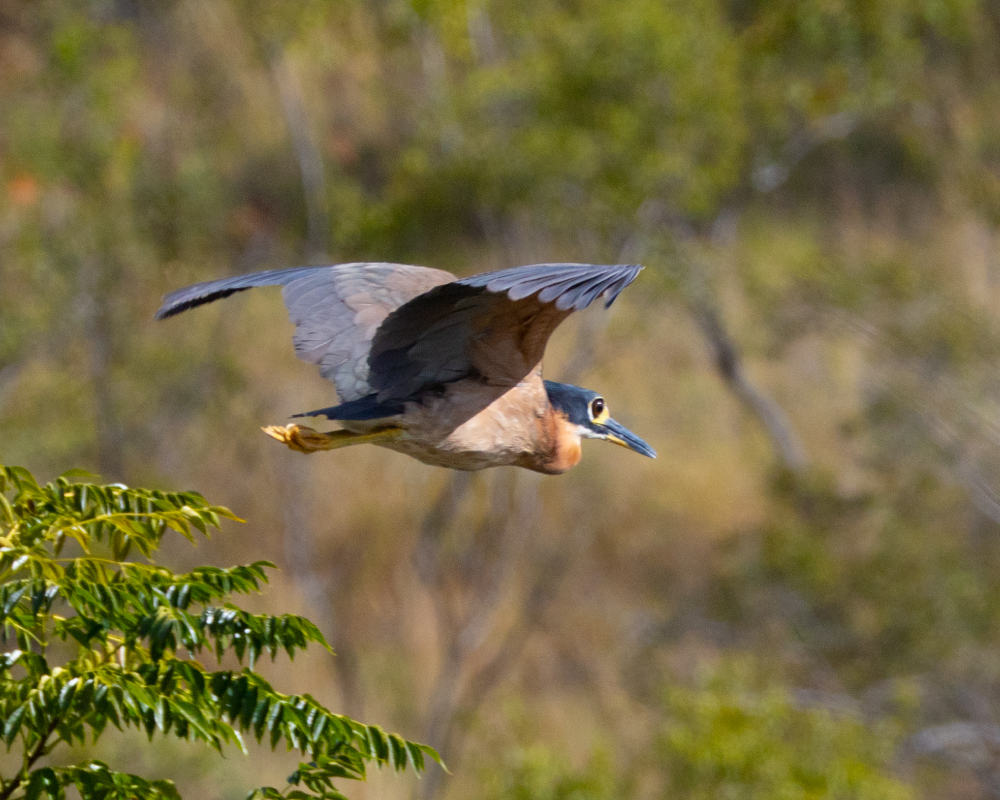
The Wilge River Valley and Mabusa Nature Reserve (Mpumalanga/Gauteng border region) offer highly rewarding, contrasting birding experiences. They feature a mix of riverine woodlands, rocky ridges, and broad-leafed acacia savannahs that host a wide variety of specials, raptors, and summer migrants
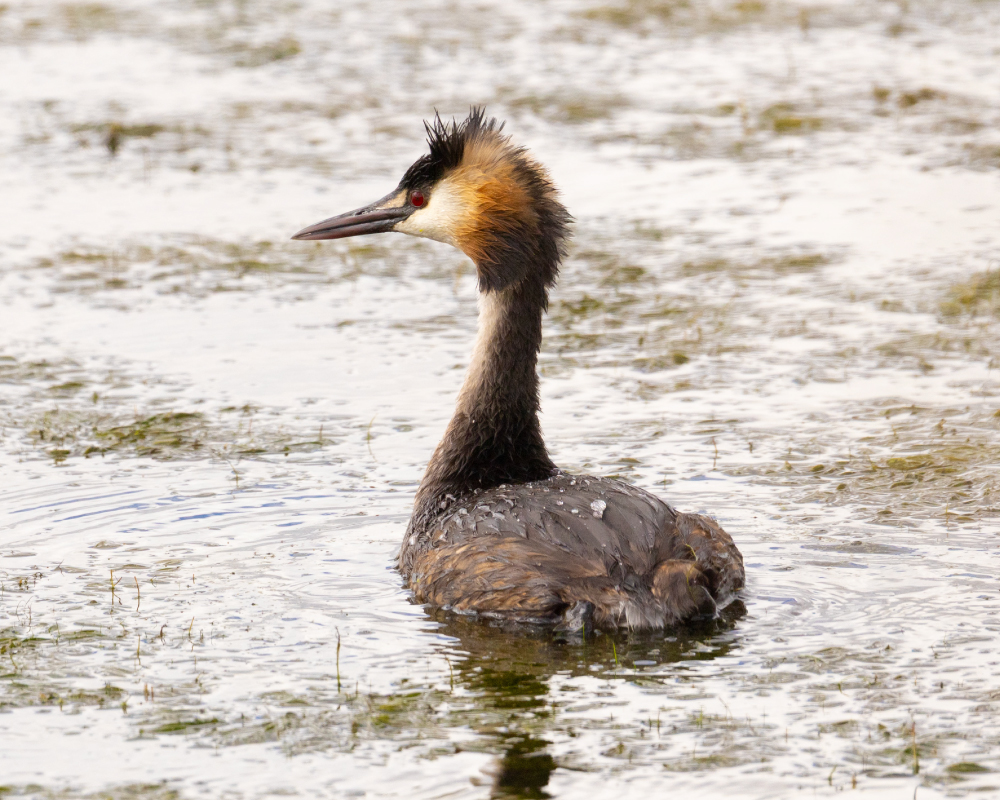
The Devon Grasslands & Pans is a premier BirdLife South Africa Important Bird and Biodiversity Area (IBA) spanning the borders of eastern Gauteng and Mpumalanga. It offers a spectacular mix of pristine Highveld grasslands, seasonal wetlands, agricultural fields, and farm dams.
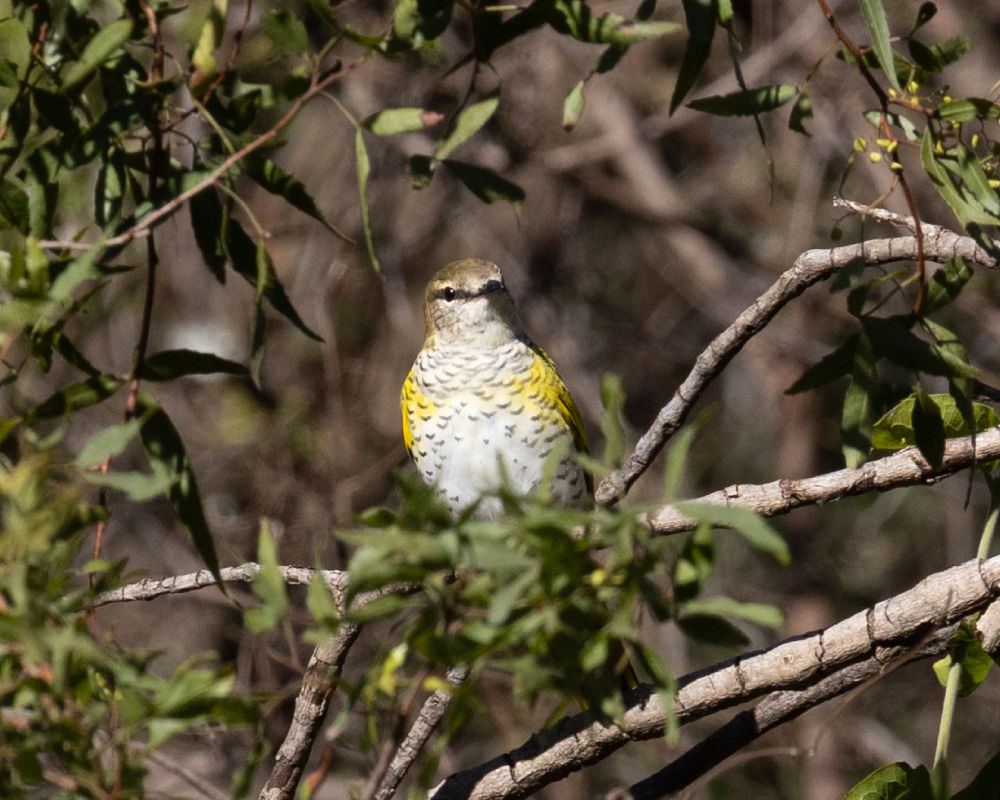
Ezemvelo Nature Reserve is a fantastic birding destination, home to over 250 bird species across rolling grasslands, rocky granite kopjes, and woodland areas - incredible variety of larks, pipits, and highveld specials.
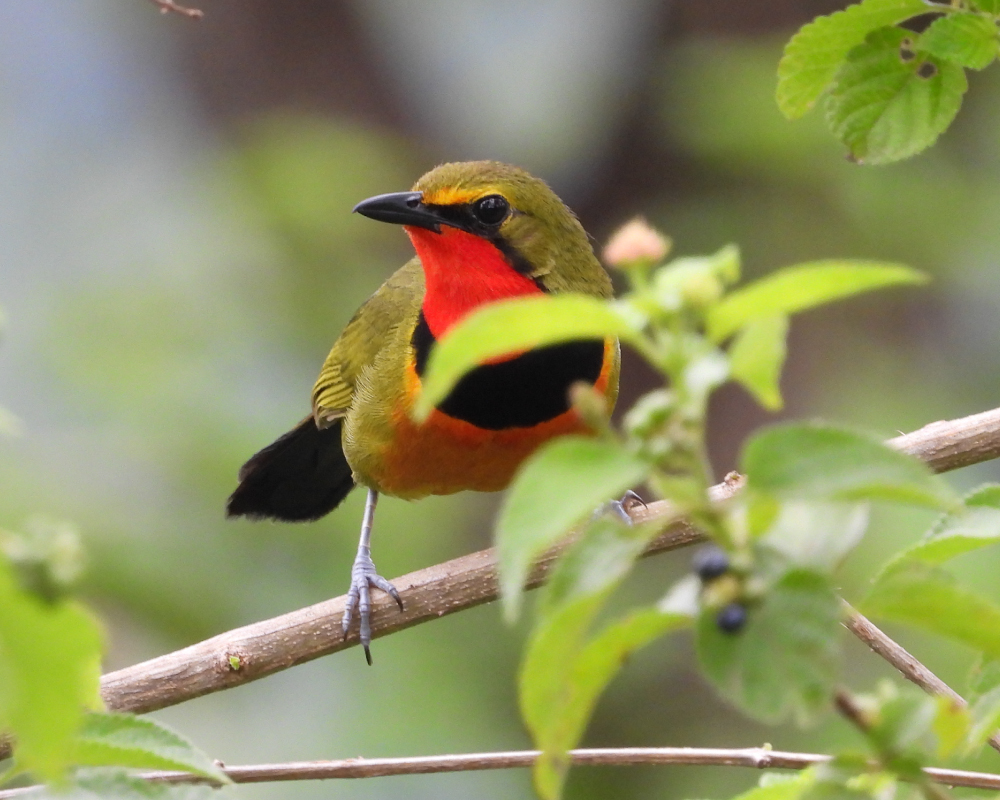
The route stretching from Polokwane through the Magoebaskloof to Tzaneen forms part of the acclaimed Capricorn-Letaba Birding Route. This spectacular journey transitions rapidly from dry Acacia thornveld to lush, high-altitude mistbelt forests, and down into subtropical lowveld, offering access to over 400 distinct bird species.
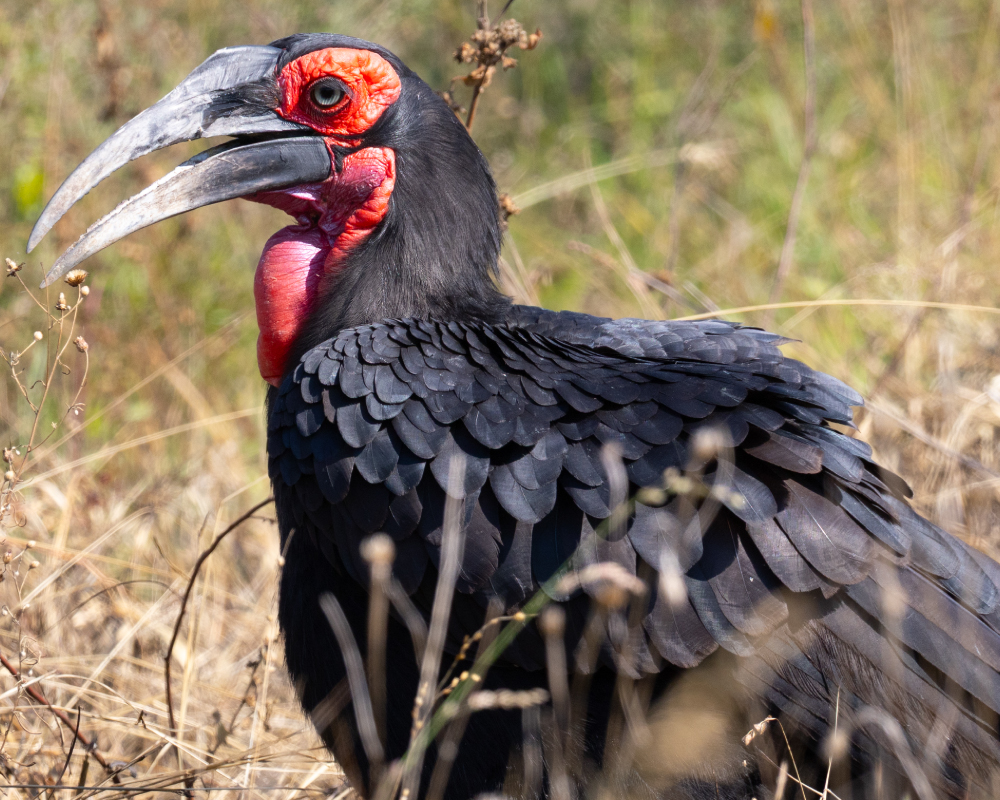
Kruger National Park is one of the premier birding destinations in Africa, boasting over 500 recorded bird species across its diverse eco-zones. The park offers a massive variety of avian life, ranging from tiny, colorful show-offs to massive, powerful raptors.
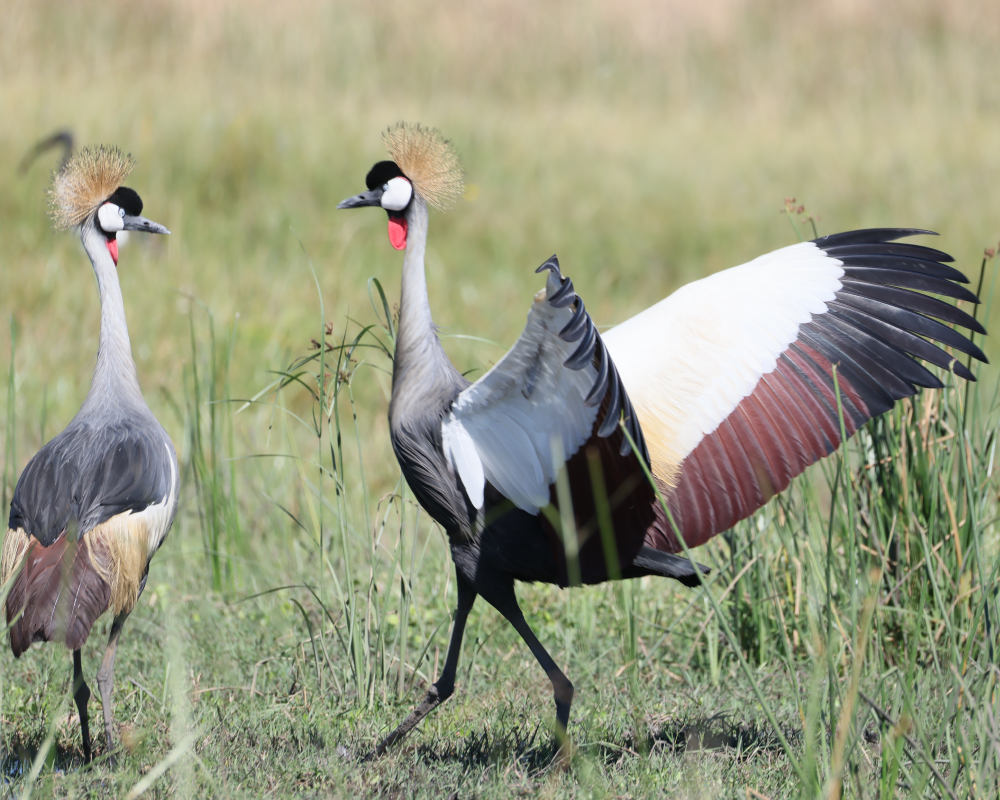
Dullstroom is an exceptional high-altitude birding destination hosting nearly 400 species across mist-belt grasslands, wetlands, and rocky escarpments. It is globally renowned as one of the few places where you can see all three of South Africa’s endangered crane species (Blue, Grey Crowned, and Wattled Cranes)
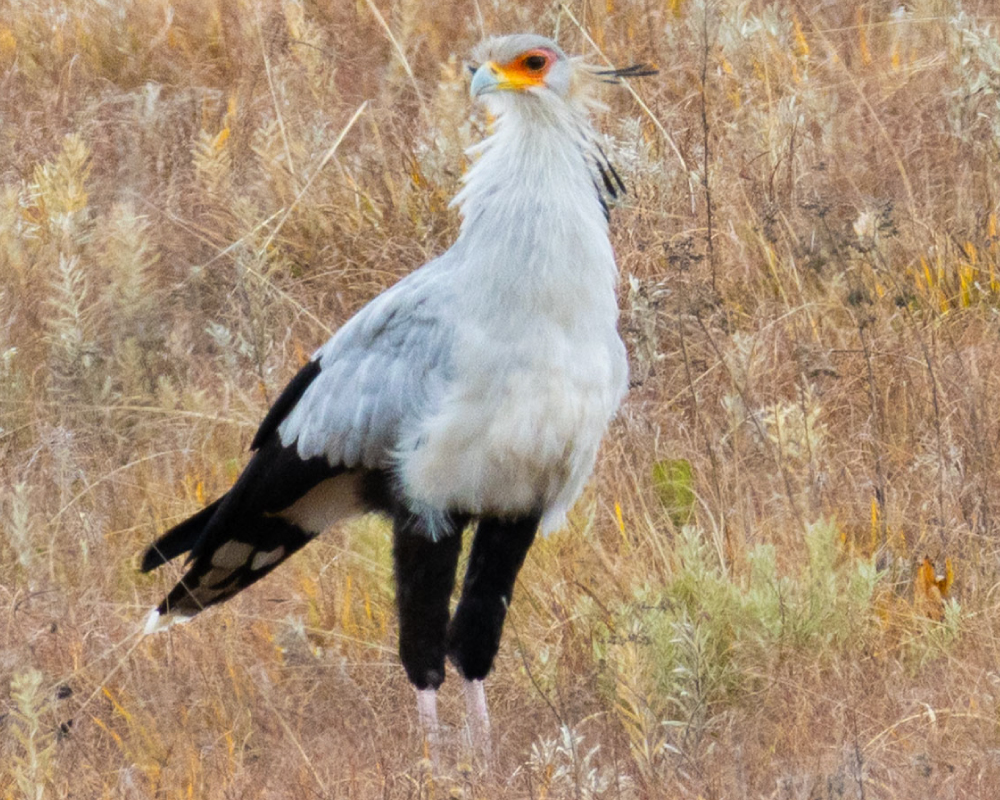
Wakkerstroom is a world-renowned, international birding mecca nestled in the high-altitude grasslands of southern Mpumalanga. As a crucial component of the Grassland Important Bird and Biodiversity Area (IBA), this peaceful village features an exceptional blend of vast wetlands, pristine mistbelt forests, and rocky gorges hosting over 370 recorded bird species, including 9 of South Africa's 13 unique endemics.
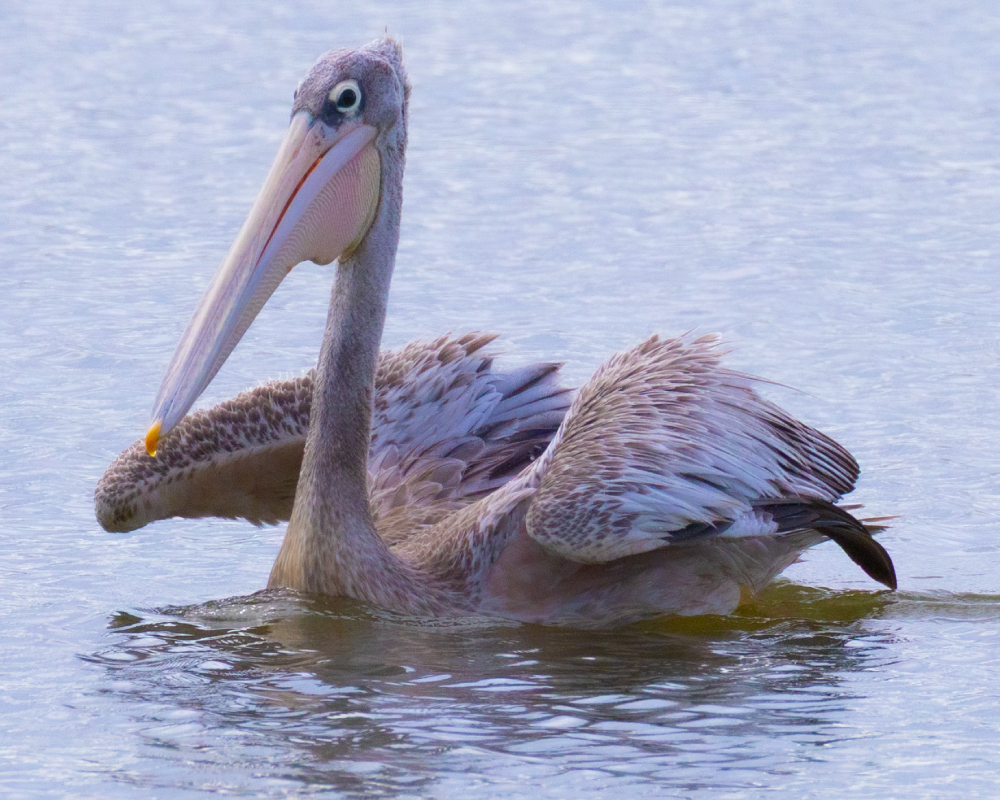
The St. Lucia area (Elephant Coast, KwaZulu-Natal) is a world-class birding destination with over 530 recorded species. Habitats range from coastal dune forests to vast wetlands and savannas, supporting diverse birdlife from waterbirds to colorful forest species
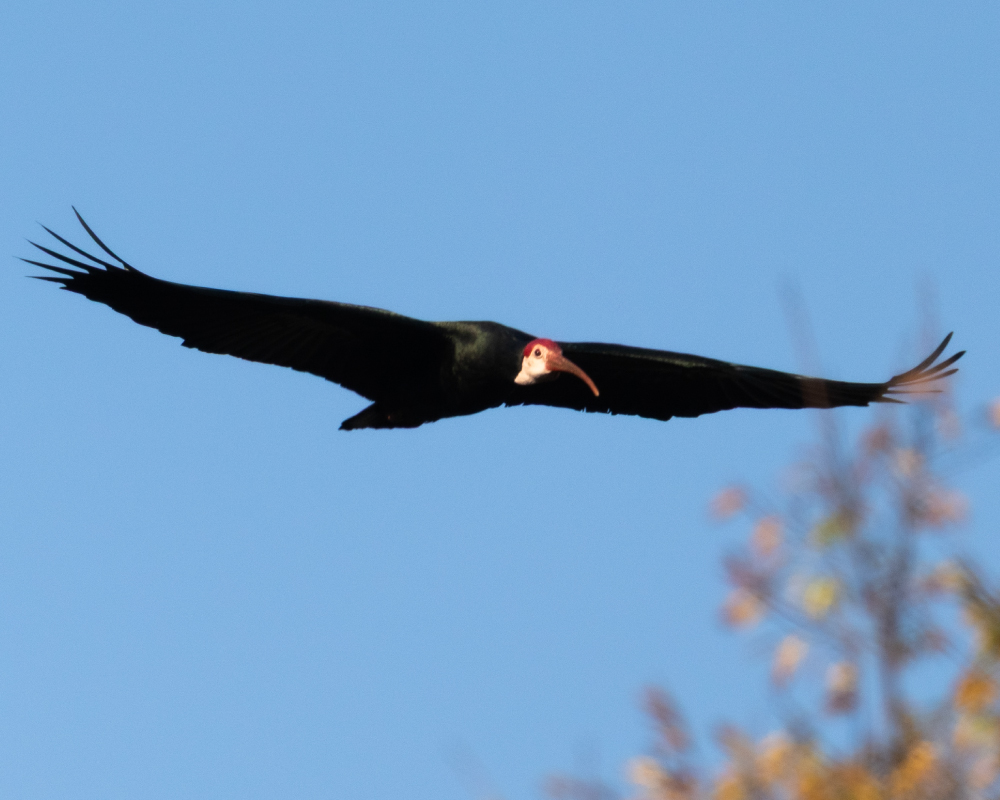
The Lesotho Highlands offer spectacular, high-altitude birding, famous for cliff-nesting raptors and specialized alpine species. The best birding season runs from November to March when summer migrants arrive, wildflowers bloom, and species like the rare Mountain Pipit breed.
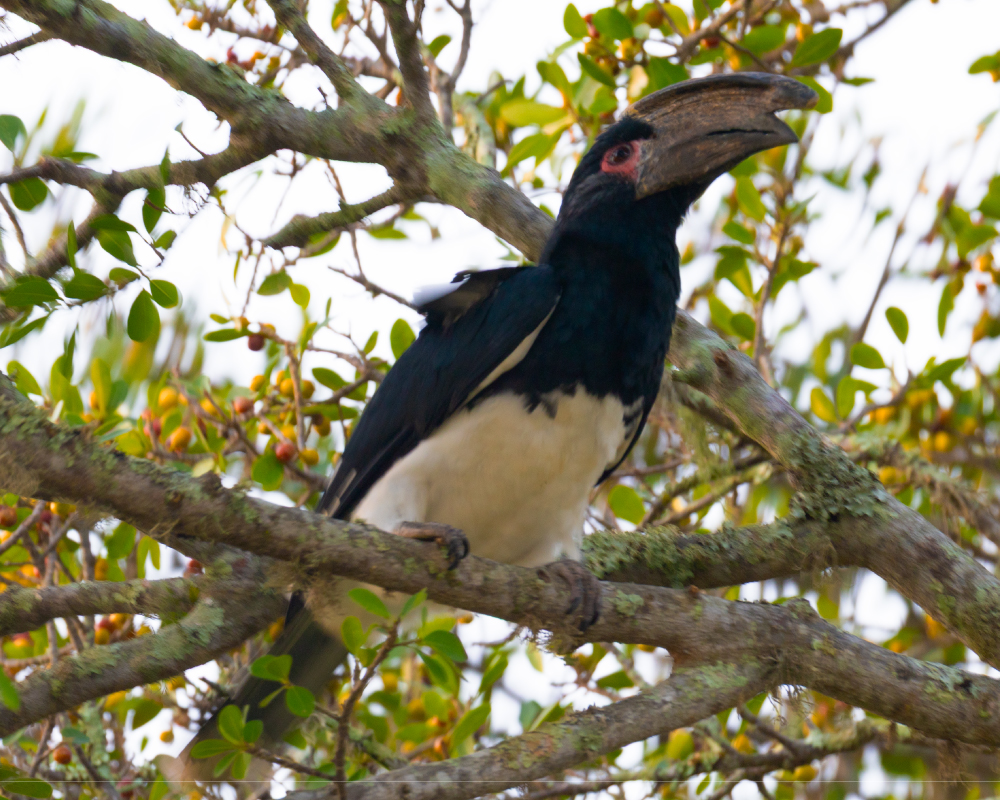
KwaZulu-Natal (KZN) is a birding paradise with over 550 bird species. The Durban area offers exceptional coastal, wetland, and forest birding just minutes from the city center, while surrounding regions provide access to rare savanna and alpine species.
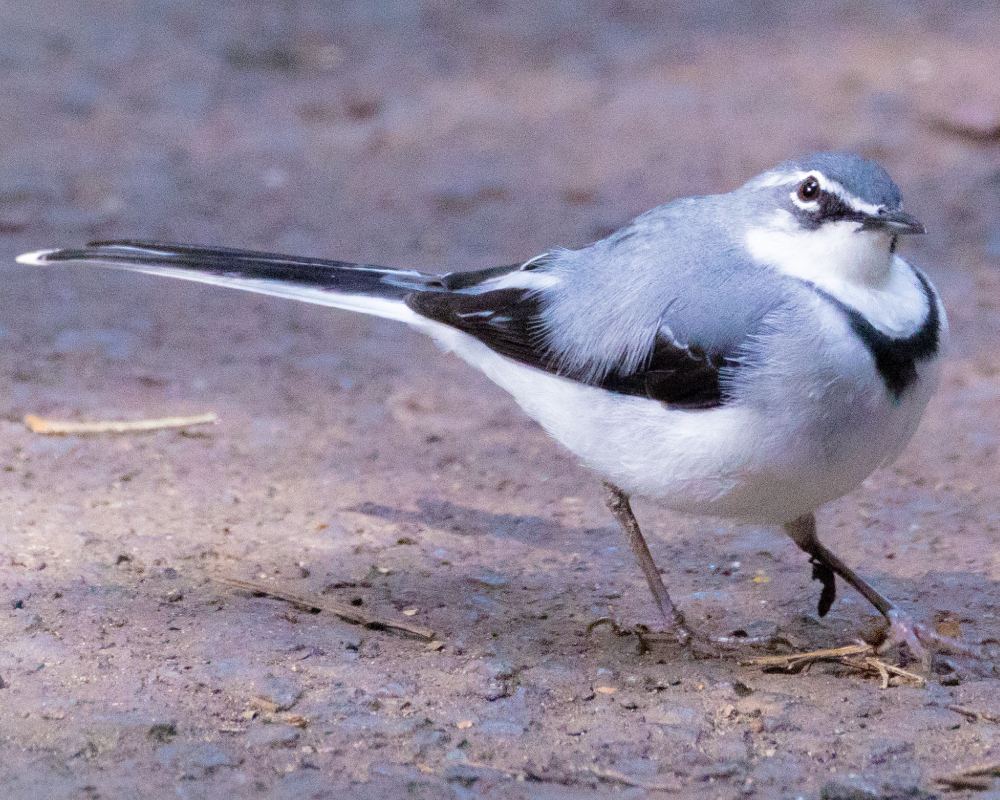
The Eastern Cape is a premier birdwatching destination, offering access to every major South African biome. With over 500 resident and migratory species, birders can spot everything from coastal waders to elusive high-altitude raptors within this diverse region.
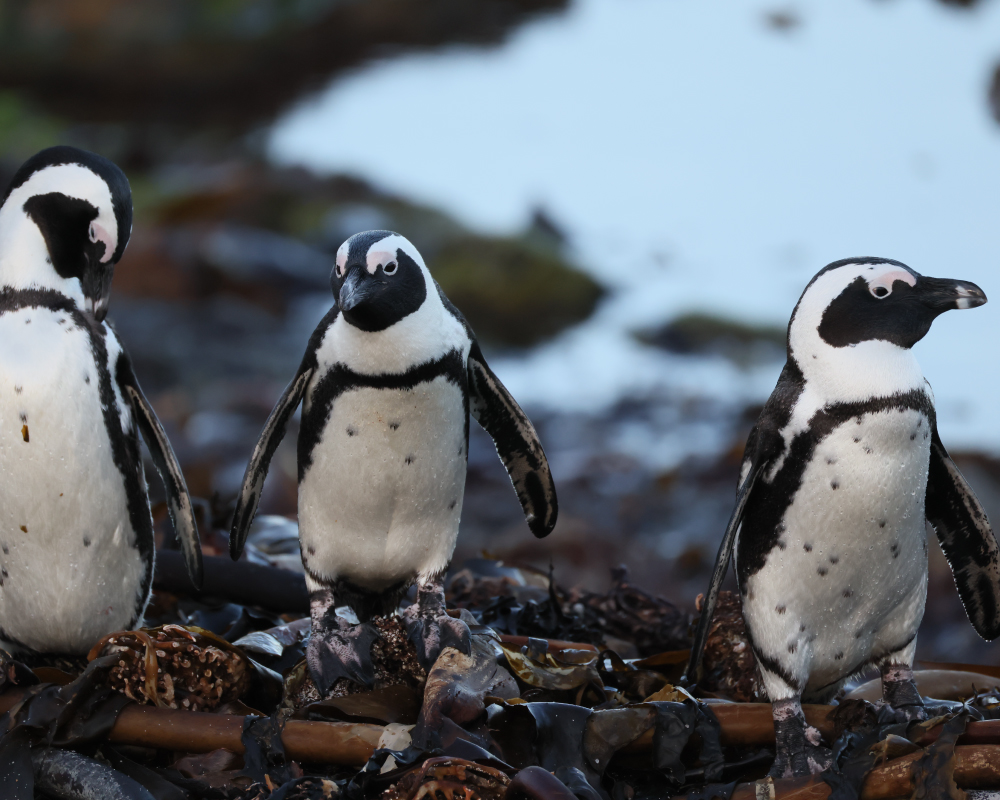
Cape Town and the Western Cape form a world-renowned birding destination, home to roughly 60 of South Africa's endemic species. The diverse habitats—from coastal fynbos and pelagic waters to wetlands and desert Karoo—make it a highly rewarding location for birders.
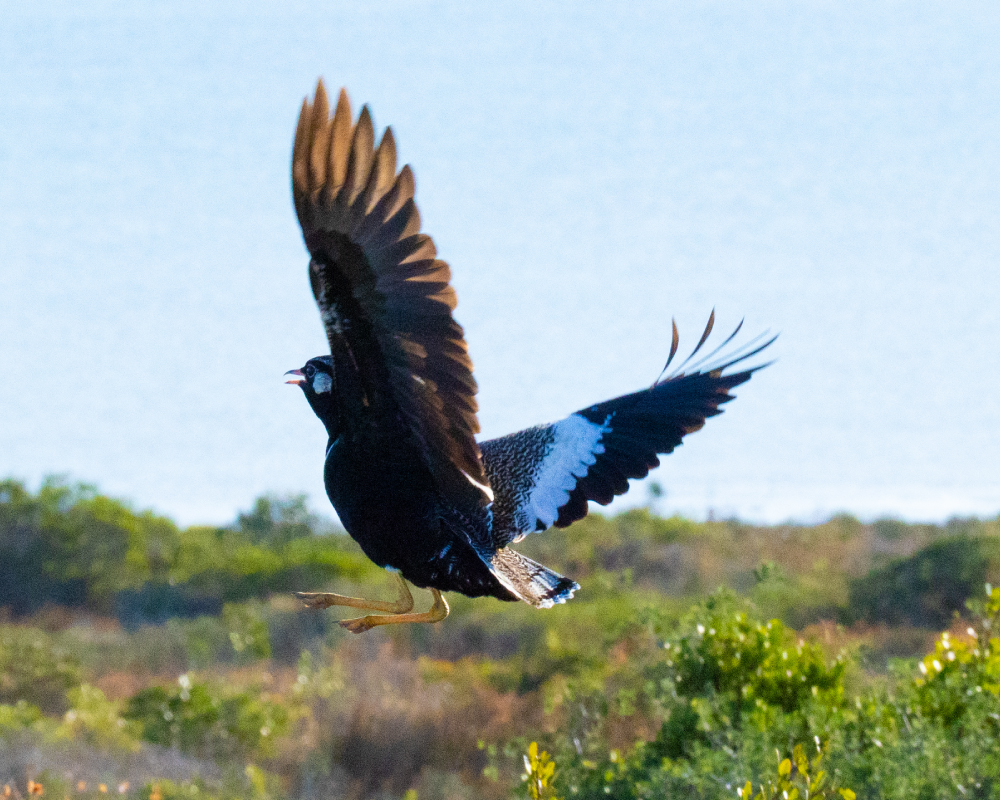
The West Coast National Park (a 1.5-hour drive from Cape Town) is a premier global birding destination. It supports over 250 species, featuring the Ramsar-protected Langebaan Lagoon for migratory waders, fynbos, and Strandveld. Key targets include the endangered Black Harrier, Southern Black Korhaan, and the elusive Cape Penduline Tit.
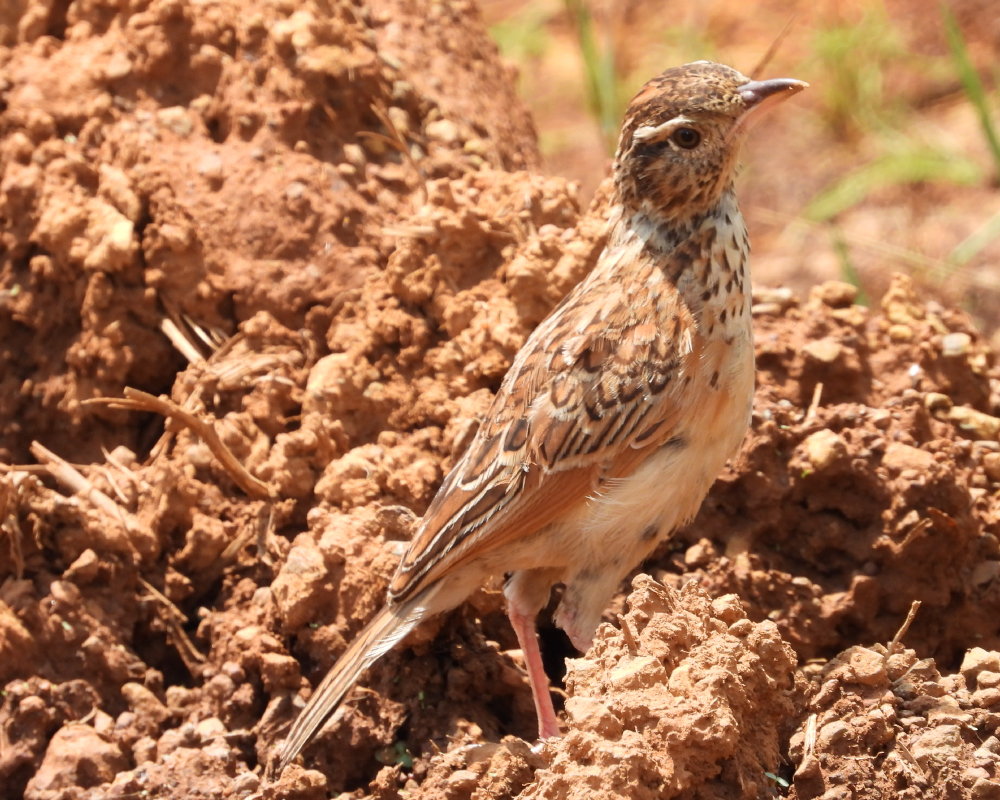
Bushmanland is one of South Africa's premier arid-zone birding destinations. Famous for its world-class diversity of larks (up to 14 species) and iconic desert specials, this arid region spans from the Karoo to the edge of the Kalahari, with towns like Pofadder, Kenhardt, and Brandvlei acting as primary gateways.
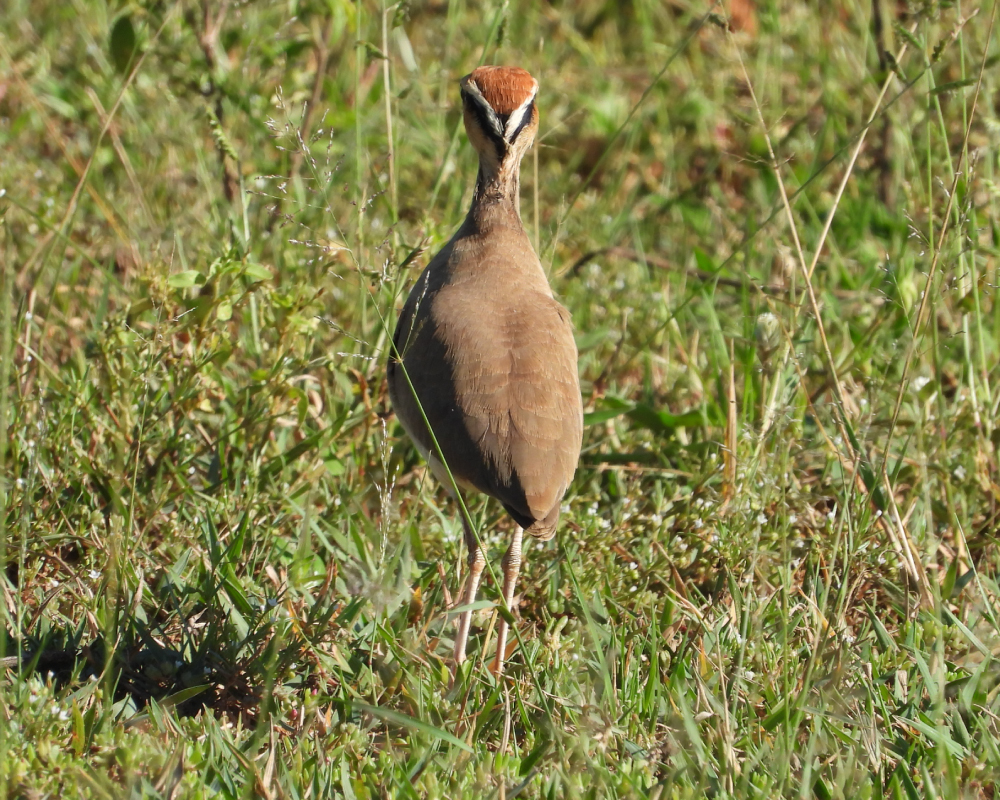
Kgalagadi Transfrontier Park in the Northern Cape is a premier arid-zone birding destination, famous for its high density of raptors and desert-adapted species. Over 280 bird species have been recorded, many of which congregate around the artificial waterholes and dry riverbeds of the Nossob and Auob rivers.